
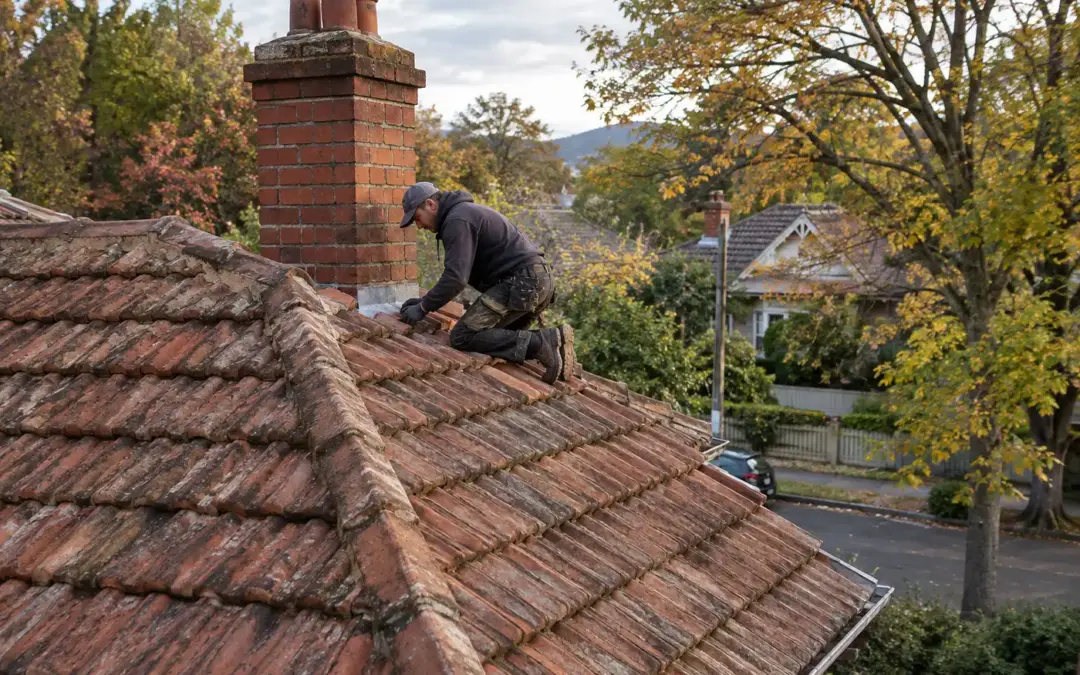
A call we get every autumn goes something like this. The owner has an older brick cottage in Reid or Griffith, the terracotta roof is nearly a century old, a few tiles have cracked, and the ridge caps are starting to shed mortar. They want it fixed properly. They also want to know whether they are allowed to touch it, because someone at a barbecue told them the house is “heritage” and they are not sure what that means for the roof.
Heritage roof restoration in Canberra is not a different trade. It is the same work, done with more care about what stays, what gets replaced and what it looks like from the street when we are finished. This guide covers what we check before starting, where the work differs from a standard restoration, and the mistakes that are hard to undo.
First, find out what kind of heritage your house actually has
“Heritage” gets used loosely. In the ACT there is a real difference between a home that is individually listed on the ACT Heritage Register, a home that sits inside a heritage precinct (many of the early garden city streets in the inner north and inner south fall into this group), and a home that is simply old and lovely but carries no formal protection at all.
That difference matters for the roof. Like for like repair work, such as replacing broken terracotta tiles with matching ones, is a very different conversation from changing the roof material, the profile or the colour. Swapping old terracotta for steel, or painting an unglazed red roof charcoal, changes how the house reads from the street, and that is exactly what heritage controls exist to look at.
We are roofers, not planners, so our advice is simple. Before any work that changes how the roof looks, check the property’s status with the ACT Government’s heritage and planning teams and get their answer in writing. It costs you a little time. Finding out halfway through a job that you needed approval costs a lot more.
Most heritage roofs we see are terracotta, and that is good news
The bulk of older roofs across Ainslie, Braddon, Reid, Turner, Forrest, Griffith and Kingston are terracotta, often the Marseille pattern tile with its interlocking ribs. Terracotta is fired clay. The colour runs right through the tile rather than sitting on the surface, which is why a hundred year old terracotta roof can still look honest and warm even when it is grubby.
It also means these roofs usually do not need painting, and on a heritage home we would generally talk you out of it. A proper clean, replacement of broken tiles, and fresh bedding and pointing on the ridges is what most of them actually need. If you want to understand why clay behaves so differently from the concrete tiles on later homes, our piece on how terracotta and concrete tiles age in Canberra goes through it.
The weak spot on old terracotta is rarely the field of tiles. It is the ridges, the valleys and anywhere the roof meets a chimney or a wall.
Matching old tiles is the hardest part of the job
This one surprises people. The tiles themselves often outlast everything else on the roof, but when one breaks, a new tile off the shelf rarely matches. Profiles have changed over the decades, sizes vary slightly between makers and eras, and a bright new tile sits among aged ones like a new tooth.
Here is how we usually handle it:
- Salvaged tiles of the same pattern and era, sourced from demolished homes
- Moving sound original tiles from a hidden rear slope to the street side, then using the closest new match out of sight
- Keeping every original tile that is still sound, even if it has minor chips, rather than replacing for neatness
The aim is a roof that looks repaired by someone who cared, not replaced in patches. On a protected home, that approach also keeps you on the right side of the like for like principle.
Ridges, chimneys and flashings need a lighter hand
Ridge capping on older Canberra roofs was bedded in sand and cement mortar. Over decades that bedding cracks and lets the caps rock loose, which is the most common leak we find on these houses. The fix is to lift the caps, clear out the old bedding, rebed them and finish with pointing. We go through the signs that this is due in our guide to when ridge capping needs repointing.
On a heritage roof, colour matters here too. Modern flexible pointing comes in a range of colours, and picking one that sits quietly against aged terracotta makes a real difference from the footpath. A bright new line along every ridge is one of the giveaways of a careless restoration.
Chimneys are the other hotspot. Many early homes have tall brick chimneys with old lead or mortar flashings that have cracked or pulled away. We repair or replace these to suit the original detail where we can, rather than wrapping the whole chimney base in a modern product that looks out of place.
Not every old roof is terracotta
Some early cottages and later post war homes have corrugated iron roofs. If yours is original galvanised iron in a protected street, replacing it with a modern coloured steel sheet may change its appearance enough to need approval, even though it seems like an obvious upgrade. Profile and finish both count.
Some post war homes also have roofs or eaves made from asbestos cement sheeting. That needs to be identified before anyone drills, cuts or pressure cleans. If you are not sure what your roof is made of, get it checked first and treat anything uncertain as suspect until tested.
What a careful heritage restoration looks like, start to finish
The steps will look familiar if you have read about standard restorations. The difference is in the decisions made at each one.
Inspection and photos. We go up, photograph every slope, ridge, valley and chimney, and note which tiles are original. You get the photos, so you can show them to anyone you need approval from.
A plan that separates repair from change. We list what is like for like (broken tiles, rebedding, flashings) and flag anything that would alter the look, so you know what to check before we start.
Gentle cleaning. Old terracotta can be brittle and the surface can be soft on aged tiles. We adjust pressure and technique to suit, and we do not blast at the ridges or the nibs that hold tiles on the battens.
Repairs with matched materials. Salvaged tiles where possible, sympathetic pointing colours, and flashings that suit the original detail.
No coating unless it is right for the house. On unglazed terracotta in a heritage street, the answer is usually no. On a concrete tile roof from a later era, a coating may be perfectly reasonable.
For a closer look at each stage on a standard tiled roof, see our walkthrough of the tile roof restoration process. This is also the point where most owners of older homes book our heritage roof repairs and maintenance service, since the inspection and photos come first either way.
Mistakes that are hard to take back
Most of what goes wrong on older roofs is not dramatic. It is small decisions that seemed sensible at the time. These are the ones we see most:
- Painting unglazed terracotta. Once it is painted, the original surface is gone, and the coating becomes something you have to maintain forever
- Replacing a whole slope of sound tiles because a few were cracked
- High pressure cleaning that erodes old clay or washes out the bedding under the ridges
- Changing roof colour or material without checking first, then being asked to reverse it
- Mixing obviously new tiles into the street facing side of the roof
None of these save much money. All of them are expensive or impossible to put right.
Common questions about heritage roofs in Canberra
Do I need approval to repair a roof on a heritage listed home in the ACT?
It depends on the home’s status and what the work involves. Like for like repairs are generally treated very differently from changes to the roof’s material, profile or colour. Check with the ACT Government’s heritage and planning teams before any work that changes how the roof looks, and keep their answer on file.
Can you paint a terracotta roof on a heritage home?
Physically, yes. On an older home in a heritage street we usually recommend against it, because painting changes the roof’s appearance and removes the original fired surface for good. Unglazed terracotta holds its colour on its own, so a clean and repairs are normally all it needs.
Where do you find matching tiles for an old roof?
Salvaged tiles from demolished homes of the same era are the best match. Failing that, we move original tiles from a hidden rear slope to the front and use the closest available new tile where it cannot be seen from the street.
How long does an old terracotta roof last?
The tiles themselves can last a very long time, and many in Canberra’s older suburbs are original. The parts that wear out sooner are the mortar bedding under the ridges, the valleys and the flashings, which is why maintenance focuses there.
Is restoring a heritage roof more expensive than a standard restoration?
It can take longer, mainly because of tile matching, gentler cleaning and more careful detailing around chimneys. On the other hand, terracotta heritage roofs often skip the coating stage altogether. The only way to know for your house is an inspection and a written quote.
Should I replace an old galvanised iron roof with Colorbond?
On a home with no heritage controls, that is your call. In a protected street, a change of profile, colour or finish may need approval first, so check before ordering anything. Sometimes a repair or a sympathetic replacement in a similar profile is the better path.
Get an honest look at your older roof
If you own an older home and the roof is due for attention, start with a proper inspection and photos. We will tell you what is original, what genuinely needs replacing, and which jobs might need a check with the ACT heritage team before we begin. Have a look at our heritage roof work in Canberra and get in touch to book a visit.